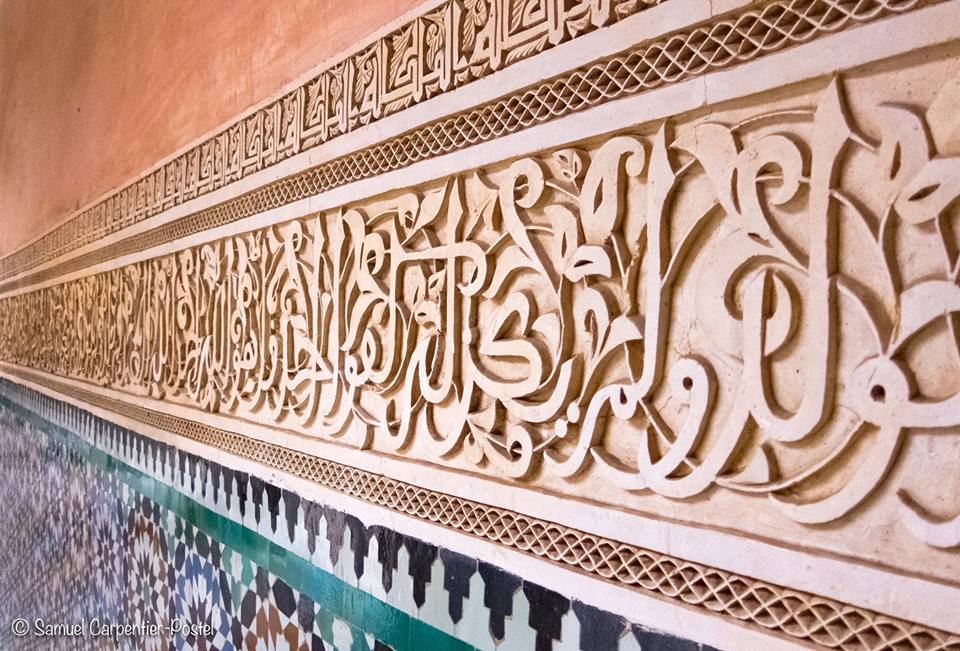
Behold, I have turned my face in exclusive devotion to the One Who originated the heavens and the earth, and I am certainly not one of those who associate others with Allah in His divinity.
إِنِّي وَجَّهۡتُ وَجۡهِيَ لِلَّذِي فَطَرَ ٱلسَّمَٰوَٰتِ وَٱلۡأَرۡضَ حَنِيفٗاۖ وَمَآ أَنَا۠ مِنَ ٱلۡمُشۡرِكِينَ
(6:79 QUR’AN)
This declaration of pure monotheism was first uttered by the Prophet Ibrahim (Abraham).
The declaration appears during the Prophet Ibrahim’s (PBUH) quest to find the one true Creator, as detailed in the Qur’an.
The story describes him observing celestial bodies and realising their transient nature (setting and rising) proves they cannot be the ultimate deity.
After seeing a star, the moon, and the sun all set, he disavowed any partners associated with Allah.
He then proclaimed his submission to the one true God, using the phrase:
“Inni wajjahtu wajhiya lilladhi fataras-samawati wal-ardha haneefan wa ma ana minal-mushrikin”.
The Prophet Muhammad (PBUH) revived this verse and incorporated it to recite while standing for prayer.
From then on, Muslims around the globe have been reciting the verse five times a day right before starting Salah (obligatory prayer).
Photo: Sculpted calligraphy on the walls, Ben Youssef Madrasa, Marrakech, 2008 by DimiTalen


 Universal Spirituality